
Creation year
2011
72 record(s)
Type of resources
Available actions
INSPIRE themes
Provided by
Years
Formats
Representation types
Update frequencies
Status
Service types
Scale
Resolution
geoDescCode
cartografia
geographicCoverage
geographicCoverageDesc
inspirecore
hvd
referenceDateRange
denominatorRange
resolutionRange
dataPolicy
openServiceType
dataType
dataFormat
-
Localização de instalações desportivas na Ilha de São Miguel - Concelho do Nordeste, composta por vários tipos de equipamentos desportivos, tais como: Grandes e Pequenos Campos, Pavilhões e Outros Equipamentos.
-
Esta carta regista os incêndios florestais ocorridos no concelho de Celorico da Beira entre os anos de 1996 e 2009.
-
Cartografia Topográfica de Imagem homologada: Núcleos Urbanos do Norte Alentejano
-
Localização de instalações desportivas na Ilha de S.Jorge - Concelho da Calheta, composta por vários tipos de equipamentos desportivos, tais como: Grandes e Pequenos Campos, Pavilhões, Salas de Desporto e Outros Equipamentos.
-
Localização de instalações desportivas na Ilha das Flores - Concelho das Lajes, composta por vários tipos de equipamentos desportivos, tais como: Grandes e Pequenos Campos, Piscina Coberta, Pavilhões, Pistas de Atletismo e Outros Equipamentos.
-
Localização de instalações desportivas na Ilha de São Jorge - Concelho de Velas, composta por vários tipos de equipamentos desportivos, tais como: Grandes e Pequenos Campos, Pavilhões, Piscinas Descobertas,Pistas de Atletismo, Salas de Desporto e Outros Equipamentos.
-
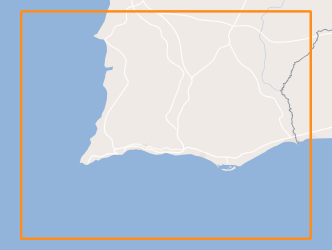
Within Portugal's National Biological Sampling Project (PNAB) a set of activities are conducted in the collection, management and use of biological data, collected from the registered commercial fleet in mainland Portugal (fisheries-dependent data) and several research surveys (independent fisheries data). These activities allow the assessment of the state of fishery resources, population structure, distribution and abundance of resources, diversity and dynamics of biological communities associated with the fishery resources and biological studies (growth, reproduction). This resource shows the geographic distribution of blackbelly rosefish abundancy index (nr. individuals/hour) registered during the CRUSTACEOS2010 campaign in June 2010.
-
Modelo Numérico Topo-Cartográfico à escala 1:2000 do Concelho de Loulé, efectuada segundo Especificações do IGP para a SCN2k, e tendo como cobertura aerofotográfica Setembro de 2005.
-
Produção de cartografia vectorial 1:2000 do concelho de Resende
-
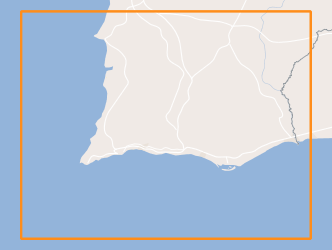
Within Portugal's National Biological Sampling Project (PNAB) a set of activities are conducted in the collection, management and use of biological data, collected from the registered commercial fleet in mainland Portugal (fisheries-dependent data) and several research surveys (independent fisheries data). These activities allow the assessment of the state of fishery resources, population structure, distribution and abundance of resources, diversity and dynamics of biological communities associated with the fishery resources and biological studies (growth, reproduction). This resource shows the geographic distribution of silvery pout abundancy index (nr. individuals/hour) registered during the CRUSTACEOS2010 campaign in June 2010.